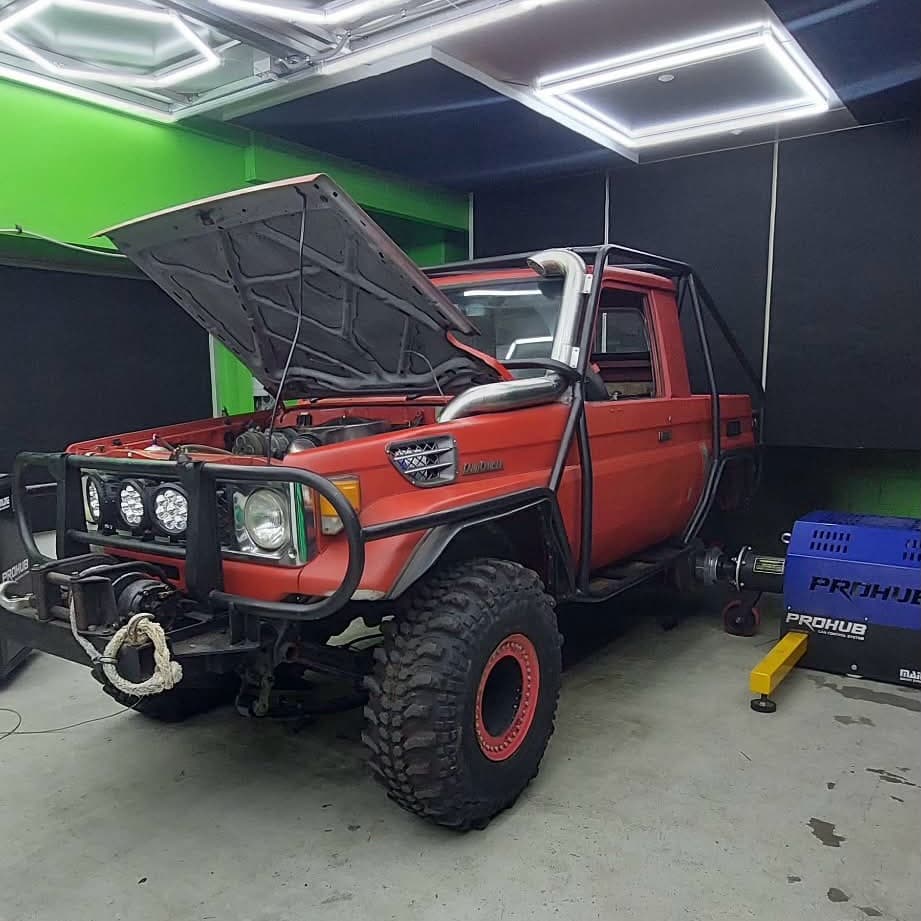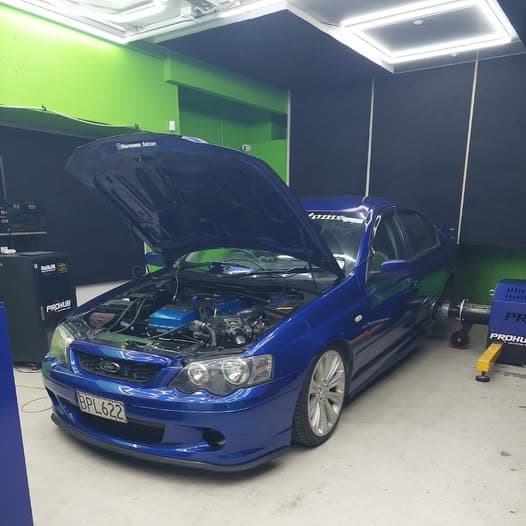
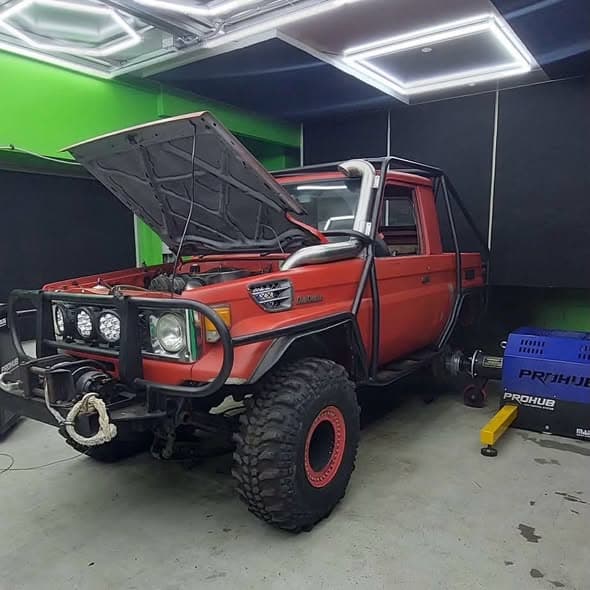
Four-wheel-drive vehicles are the backbone of New Zealand's roads - from farm utes to family SUVs to serious off-road rigs. But most of them are running well below their potential thanks to conservative factory ECU calibrations.
Why tune a 4WD?
Factory diesel calibrations on 4WDs are designed for worst-case scenarios - poor fuel quality in developing markets, extreme heat, high altitude, and strict global emissions targets. In New Zealand, your 4WD has significant headroom that the factory left locked away.
A custom ECU remap recalibrates the engine management to suit NZ conditions. The result:
- More towing power - stronger low-end torque means less gear hunting when towing boats, caravans, horse floats, and trailers
- Better fuel economy - optimised injection timing typically saves 5-15% on fuel under normal driving
- Improved throttle response - reduced turbo lag and sharper pedal response for safer overtaking
- Smoother power delivery - a broader, flatter torque curve for better on and off-road performance
4WDs we tune
We cover over 2,800 vehicle applications. The most common 4WDs we tune in NZ:
Utes:
- Ford Ranger (PX, PX2, PX3, Next-Gen)
- Toyota Hilux (KUN, GUN, GD series)
- Nissan Navara (D23, D40)
- Isuzu D-Max
- Mazda BT-50
- Mitsubishi Triton
- Volkswagen Amarok
SUVs and wagons:
- Toyota Prado (120, 150 Series)
- Toyota Fortuner
- Toyota Land Cruiser
- Ford Everest
- Mitsubishi Pajero Sport
- Nissan Patrol (Y62 diesel)
- Isuzu MU-X
European 4WDs:
- VW Touareg
- BMW X3, X5
- Audi Q5, Q7
- Mercedes GLC, ML
- Volvo XC60, XC90
Tuning 4WDs without a dyno
Here's something most tuning shops won't tell you: not every 4WD can go on a traditional dyno. Full-time 4WD systems, heavy vehicles, and certain drivetrain configurations don't suit roller or hub dynos.
That's why we offer ECU file calibration for 4WDs that can't run on our Mainline dyno. The process:
- We read your factory ECU calibration via OBD or bench flash
- The calibration file is modified using proven data specific to your platform - fuel maps, boost targets, injection timing, and torque limits
- The optimised calibration is flashed back to the ECU
- Road testing verifies drivability, throttle response, and performance
This approach uses the same calibration data and tuning methodology as a dyno tune - the difference is the verification method. For many 4WD owners, it's the only practical option, and the results are excellent.
Expected gains by vehicle type
Diesel utes (Ranger, Hilux, Navara, D-Max):
- Power: +20-30%
- Torque: +25-35%
- Economy: +5-15%
Diesel SUVs (Prado, Fortuner, Pajero Sport, Everest):
- Power: +15-25%
- Torque: +20-30%
- Economy: +5-12%
European 4WDs (Touareg, X5, Q7, GLC):
- Power: +20-35%
- Torque: +25-40%
- Economy: +5-15%
Exact results depend on your vehicle's platform, condition, and modifications. Every dyno tune comes with before-and-after sheets.
DPF-safe and emissions compliant
All our 4WD tunes are DPF-safe. We do not remove, bypass, or disable the DPF, EGR, or any other emissions equipment. The calibration is optimised within the factory emissions framework. Your vehicle remains WoF compliant and road legal.
This is important because DPF removal is illegal in New Zealand under the Land Transport Rules. Our tunes deliver real performance gains without the legal risk.
Pricing
- Standard diesel ECU remap: $600-$1,200 NZD
- Performance diesel tune: $1,000-$1,800 NZD
- European 4WD remap: $600-$1,200 NZD
Every tune includes before-and-after dyno sheets (for dyno tunes) or road test verification (for ECU file calibrations). Contact us with your vehicle details for an accurate quote.