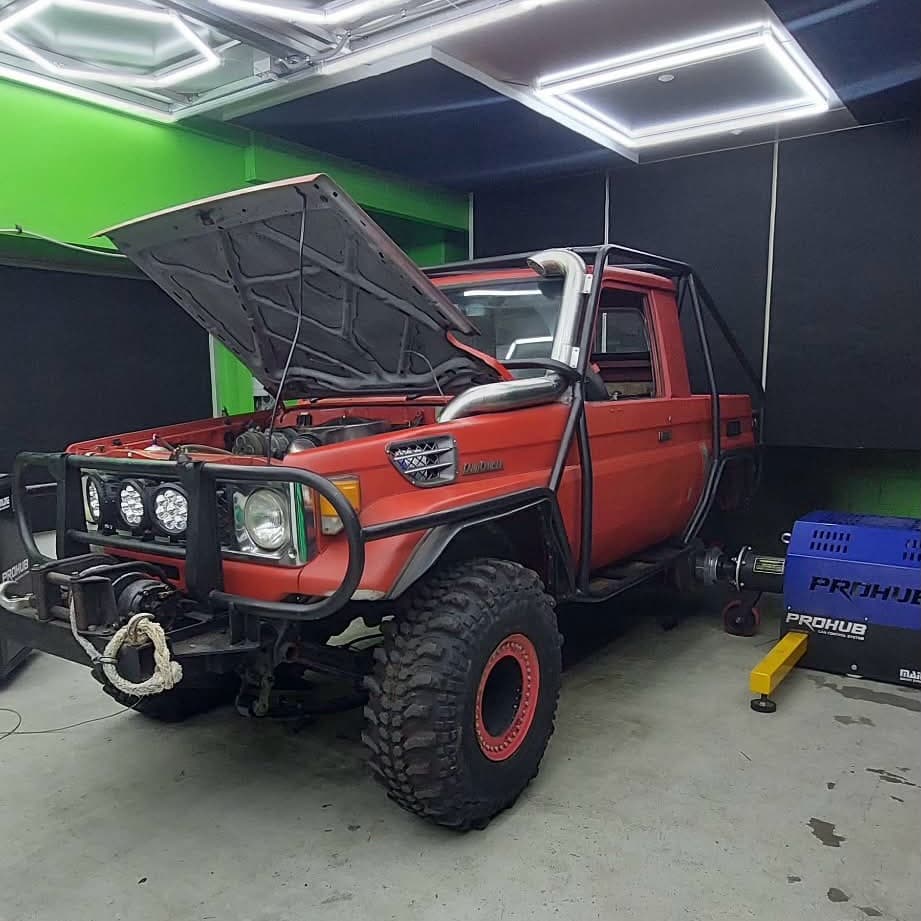
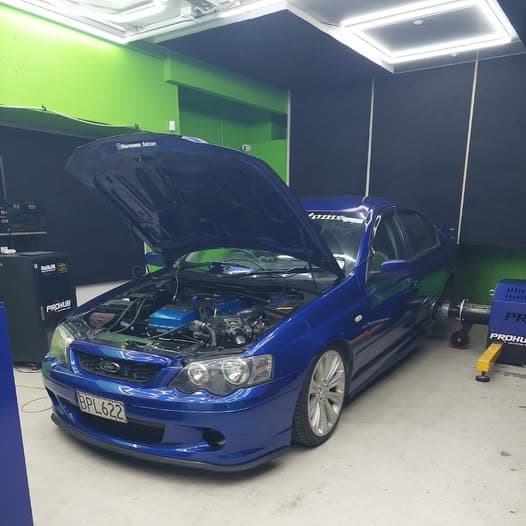
The Ford Ranger is the best-selling vehicle in New Zealand, and for good reason - it's a capable, versatile ute that handles everything from daily commuting to towing and off-road work. But the factory tune leaves room for improvement. Our diesel tuning service unlocks the hidden performance.
Why tune a Ford Ranger?
Ford's factory calibration is conservative. It's designed to meet emissions standards across multiple markets, handle varying fuel qualities, and provide acceptable performance in all conditions. That means there's headroom in the ECU maps that a custom tune can unlock.
The most common reasons Ranger owners come to us for a tune:
- More towing power - the factory tune often feels flat under heavy loads. A remap improves low-end torque for more confident towing.
- Better throttle response - removing the artificial throttle delay (drive-by-wire lag) makes the vehicle feel more responsive.
- Improved fuel economy - a well-calibrated tune can improve economy by 5-15%, especially on highway driving.
- Smoother power delivery - reducing turbo lag and smoothing the torque curve for a better driving experience.
What gains can you expect?
On a Ford Ranger 3.2 TDCI or 2.0 Bi-Turbo, a custom dyno tune typically delivers:
- 20-40kW increase in power
- 60-100Nm increase in torque
- Noticeably improved throttle response
- 5-15% fuel economy improvement (driving style dependent)
These are real numbers verified on our Mainline hub dyno, not manufacturer claims. Every Ranger that comes through The Torque Lab leaves with before-and-after dyno sheets.
DPF-safe tuning
All our Ford Ranger tunes are DPF-safe and emissions compliant. We optimise the ECU calibration within parameters that allow the DPF to regenerate normally. You get the performance gains without the legal and reliability risks of emissions tampering.
If your Ranger has existing DPF issues (warning lights, limp mode, reduced performance), we can diagnose the problem and advise on the best course of action before tuning.
The tuning process
A Ford Ranger dyno tune at The Torque Lab typically involves:
- Pre-tune diagnostic scan to check for existing fault codes
- Baseline power runs on the Mainline hub dyno
- ECU remap - adjusting fuel injection timing, rail pressure, boost control, and torque management
- Post-tune power runs to verify gains
- Road test for drivability and throttle response
- Before-and-after dyno sheets provided
The whole process typically takes 3-4 hours.
Accessories and supporting modifications
For Ranger owners looking to get the most from their tune, we often recommend:
- Performance exhaust - a freer-flowing exhaust complements the remap and can add further gains
- High-flow air intake - improves airflow to match the increased fuelling
- Transmission tune - adjusting shift points and torque converter lockup for smoother performance
- Intercooler upgrade - reduces intake temperatures for more consistent power, especially when towing
These aren't required for a remap, but they maximise the benefit. We can advise on what makes sense for your usage.
Pricing
A Ford Ranger diesel remap at The Torque Lab costs $600-$1,000 NZD depending on the model and scope of work. Every tune includes before-and-after dyno sheets and a road test. Contact us with your Ranger's details for an accurate quote.